━━ Industries
Different environments. Different risks. Different designs.
A terminal that never closes, a vault that must never open unplanned, a resort where security must be invisible, each environment demands its own solution architecture. Here is how our disciplines apply across the industries we serve.
━━ Aviation
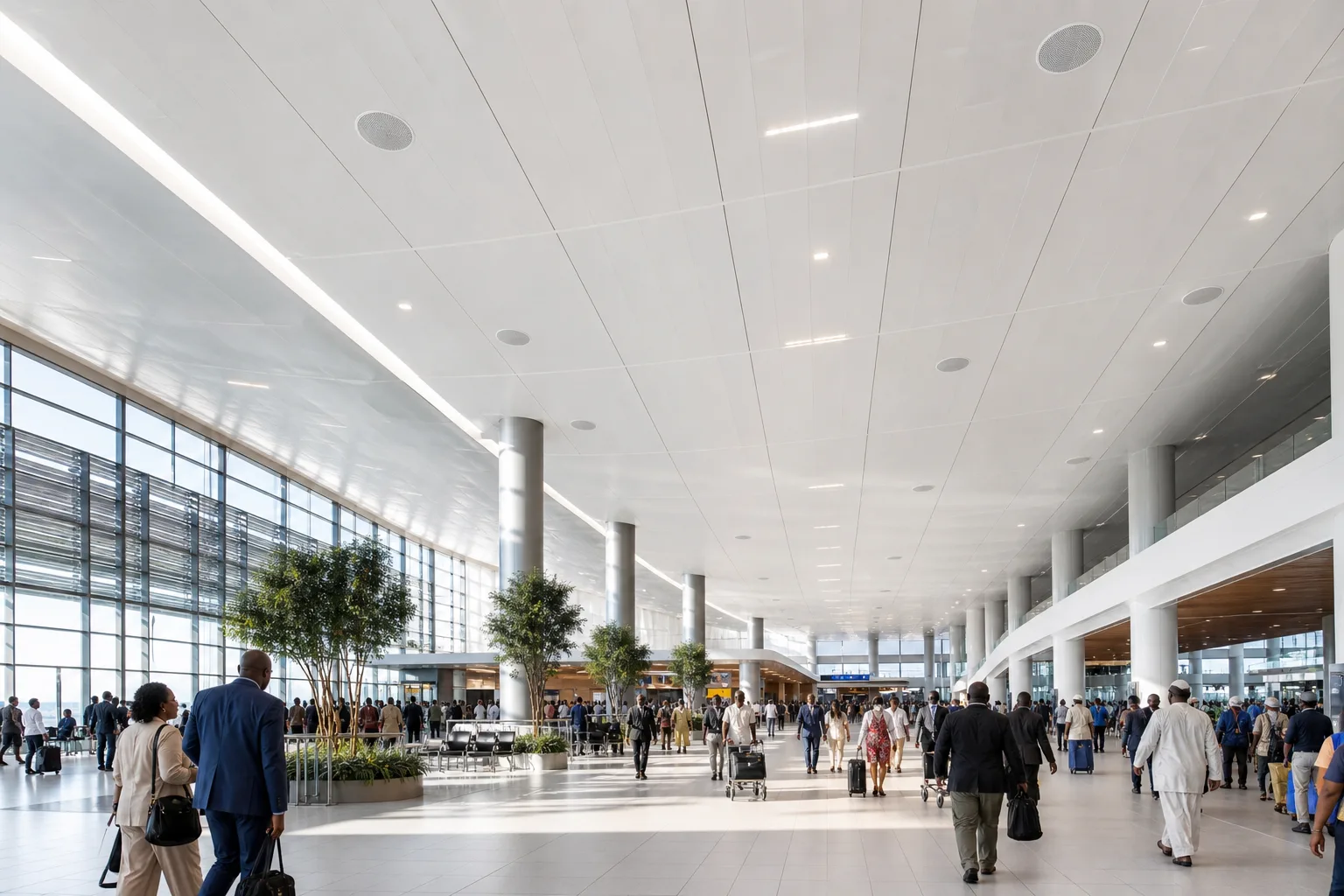
Airports
Airports run continuously, host enormous daily populations and divide into zones with sharply different security regimes – public landside, controlled airside and critical infrastructure between them. Systems here must combine scale with precision: thousands of cameras managed centrally, credentialed access enforced at every zone boundary, and evacuation messaging intelligible across vast, acoustically difficult halls.
━━ Maritime & logistics
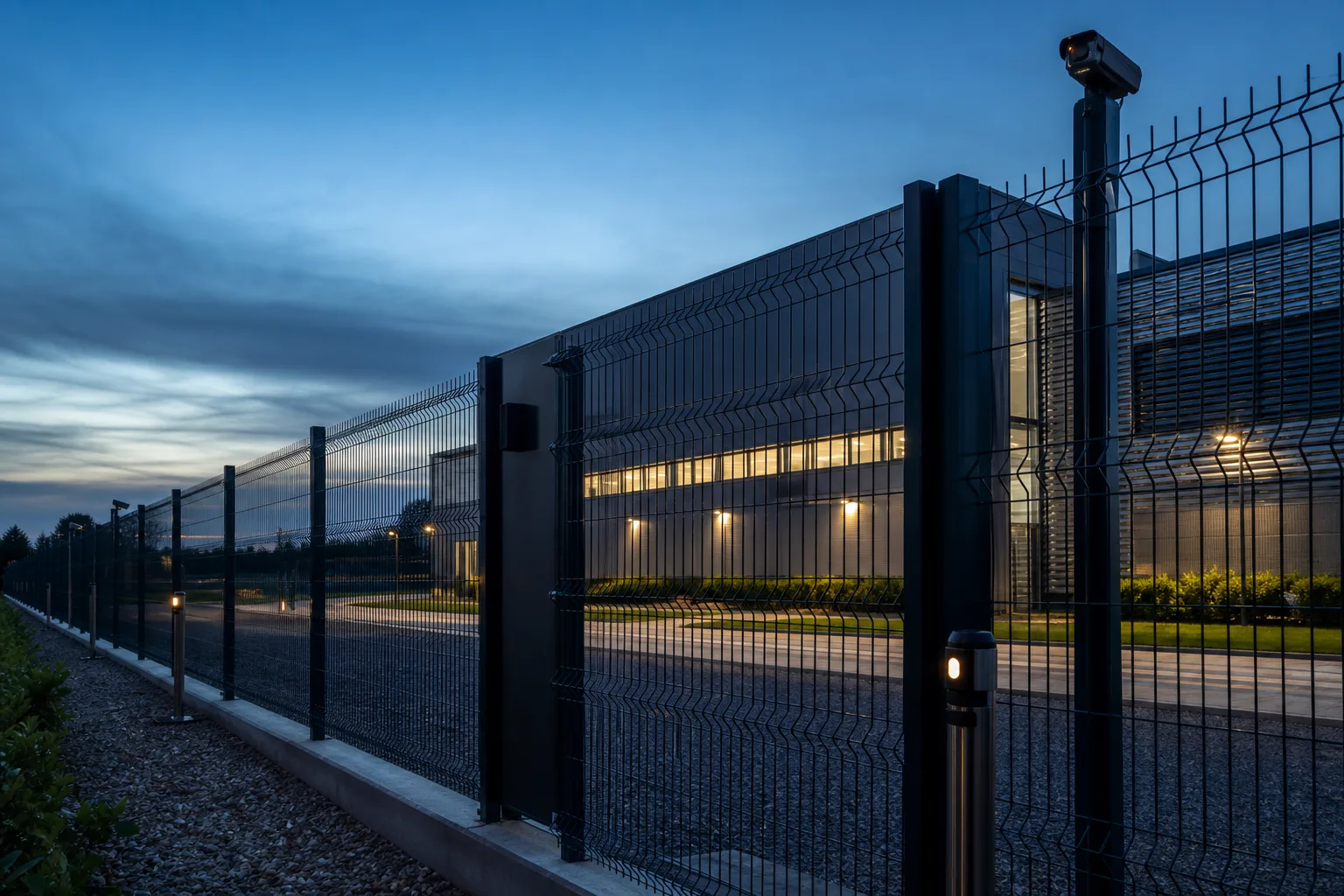
Ports
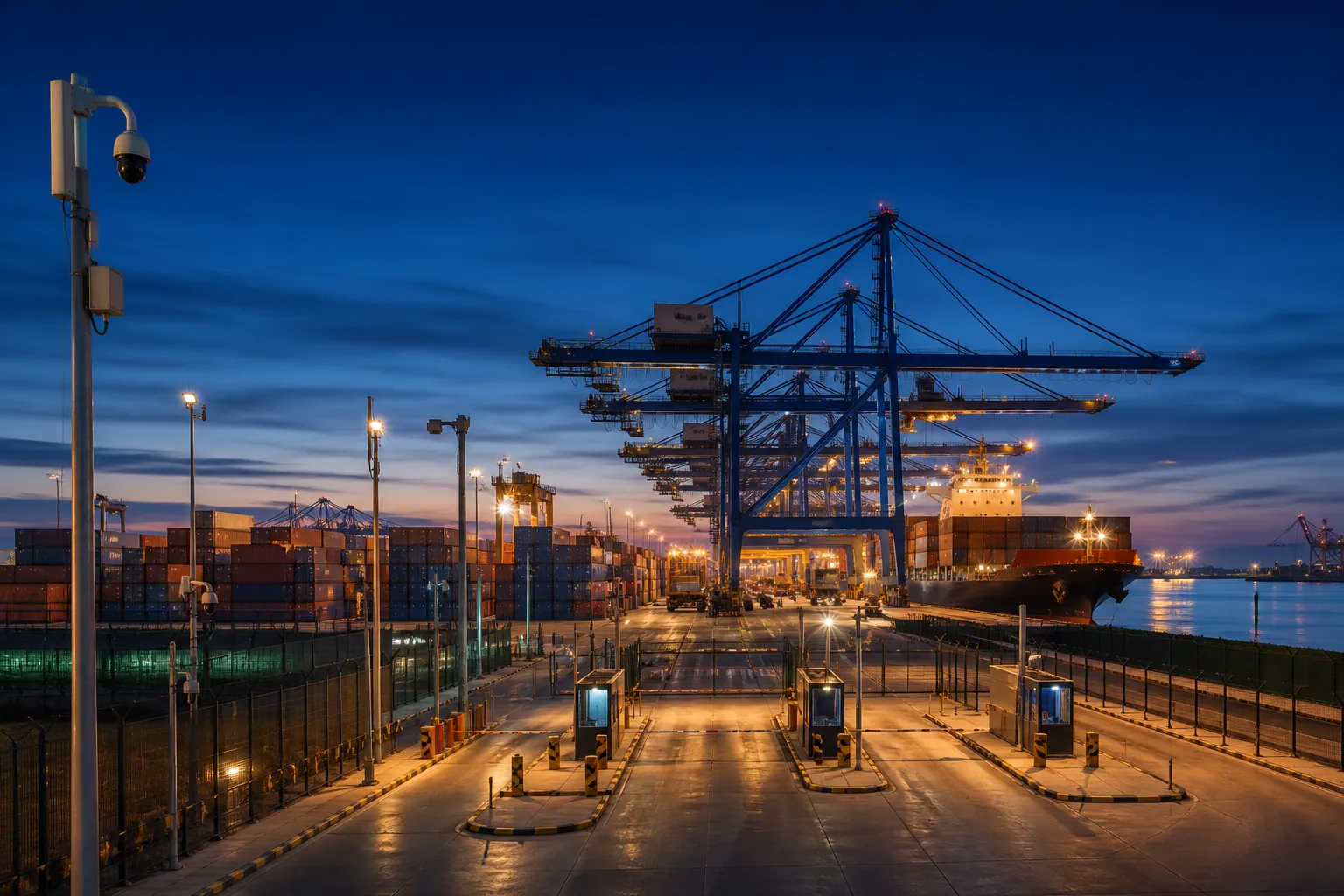
Ports combine long, exposed perimeters with heavy vehicle traffic and high-value cargo. The design emphasis falls on the boundary and the gate: long-range perimeter detection, LPR-equipped vehicle lanes, under-vehicle scanning at checkpoints, and surveillance that covers quaysides and stacking yards day and night.
━━ Public sector
Government
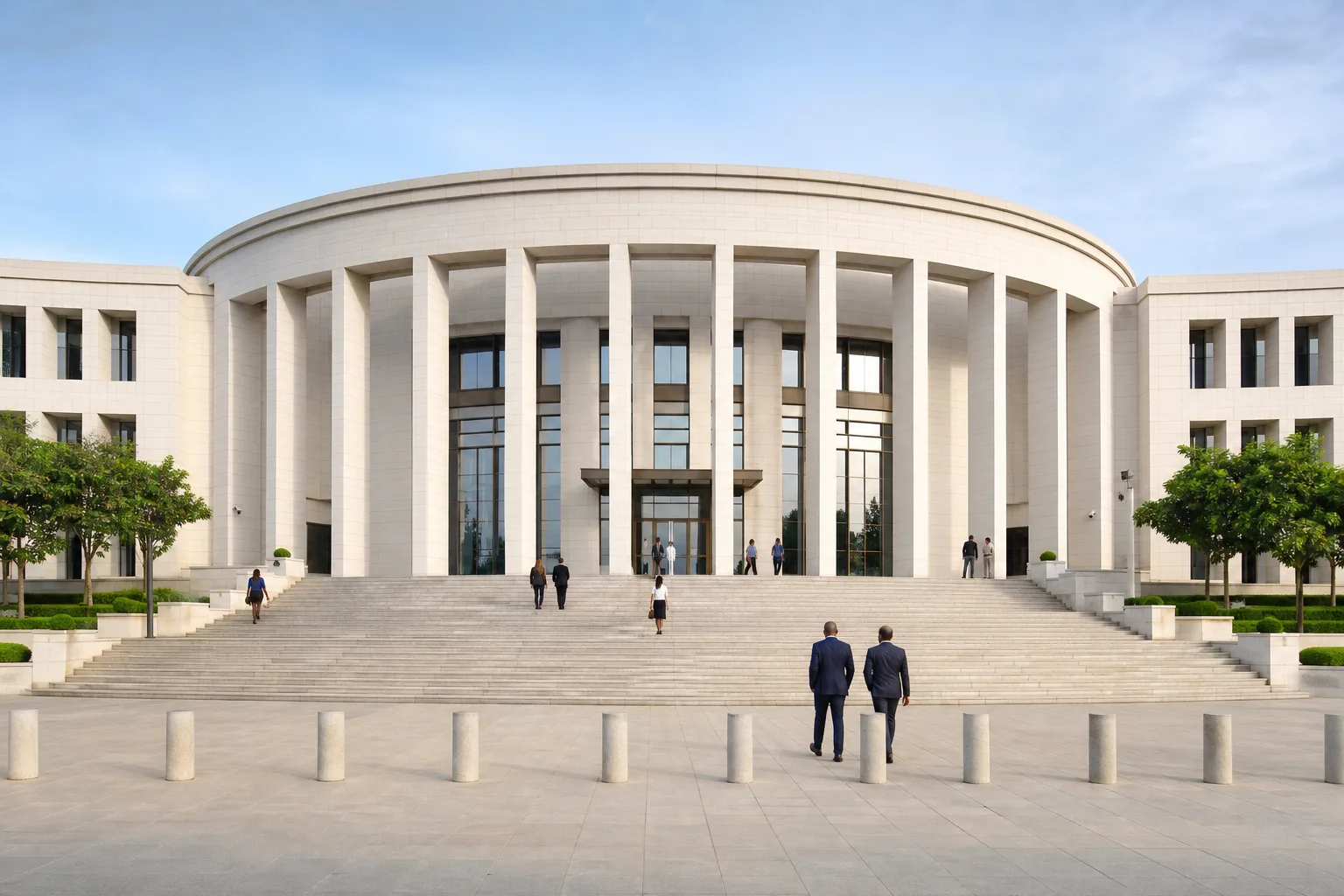
Government facilities must balance public accessibility with the protection of people, information and infrastructure. Layered access – visitor management at the front, credentialed zones behind, high-security portals for sensitive areas – combines with vehicle screening and comprehensive audit trails that stand up to institutional scrutiny.
━━ Financial services
Banking
Banking environments concentrate risk into specific points – tellers, vaults, ATMs, cash handling – inside spaces that must still feel open to customers. Duress alarms within staff reach, mantrap portals at sensitive doors, high-detail surveillance of transaction areas and strict access audit trails define the discipline here.
━━ Healthcare
Hospitals
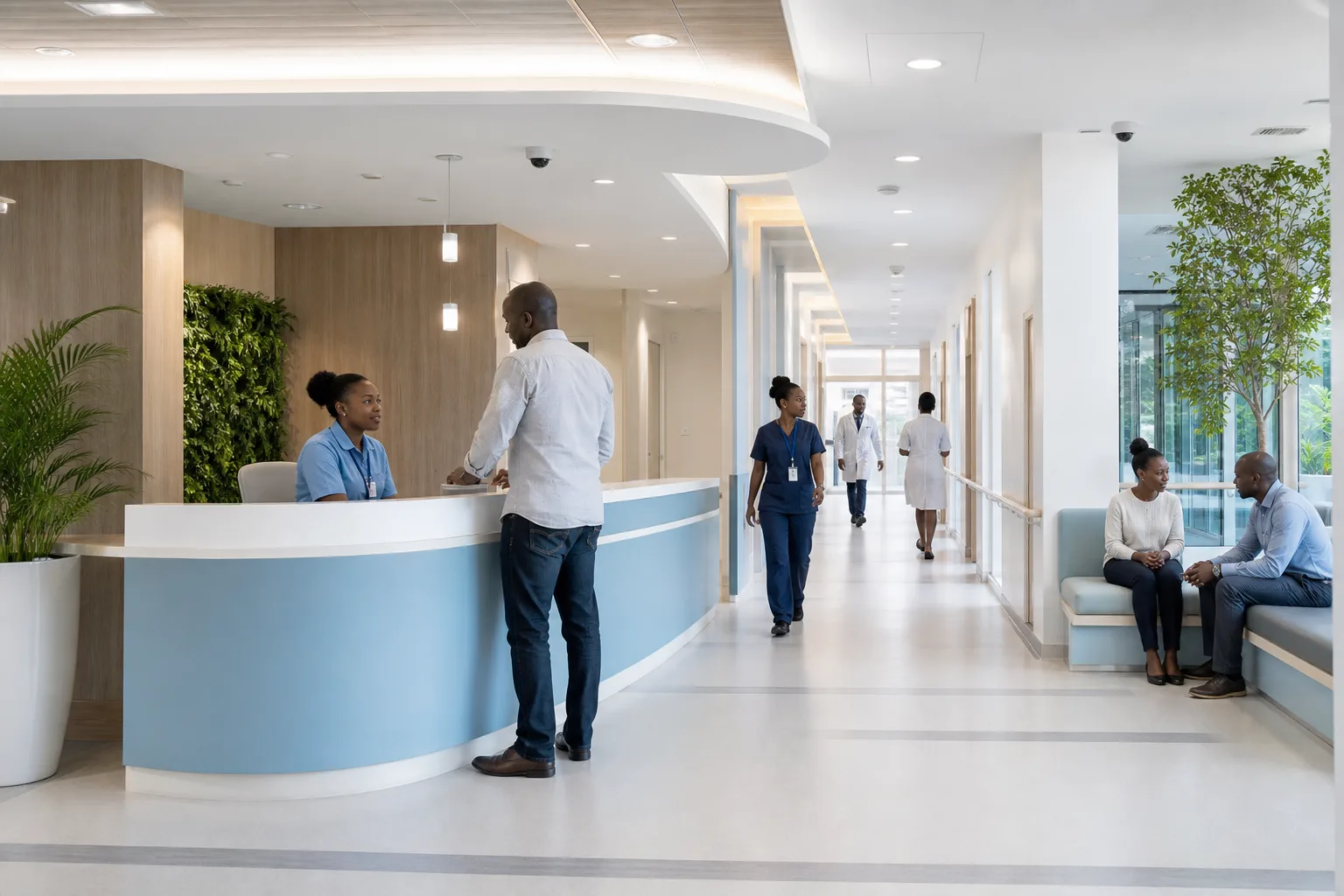
A hospital can never simply evacuate. Many occupants cannot move unaided, which makes early fire detection, phased voice evacuation and staff coordination genuinely life-critical. Around the clock, access control protects pharmacies, theatres and records while keeping clinical flow unobstructed – security that works without getting in medicine’s way.
━━ Mobility
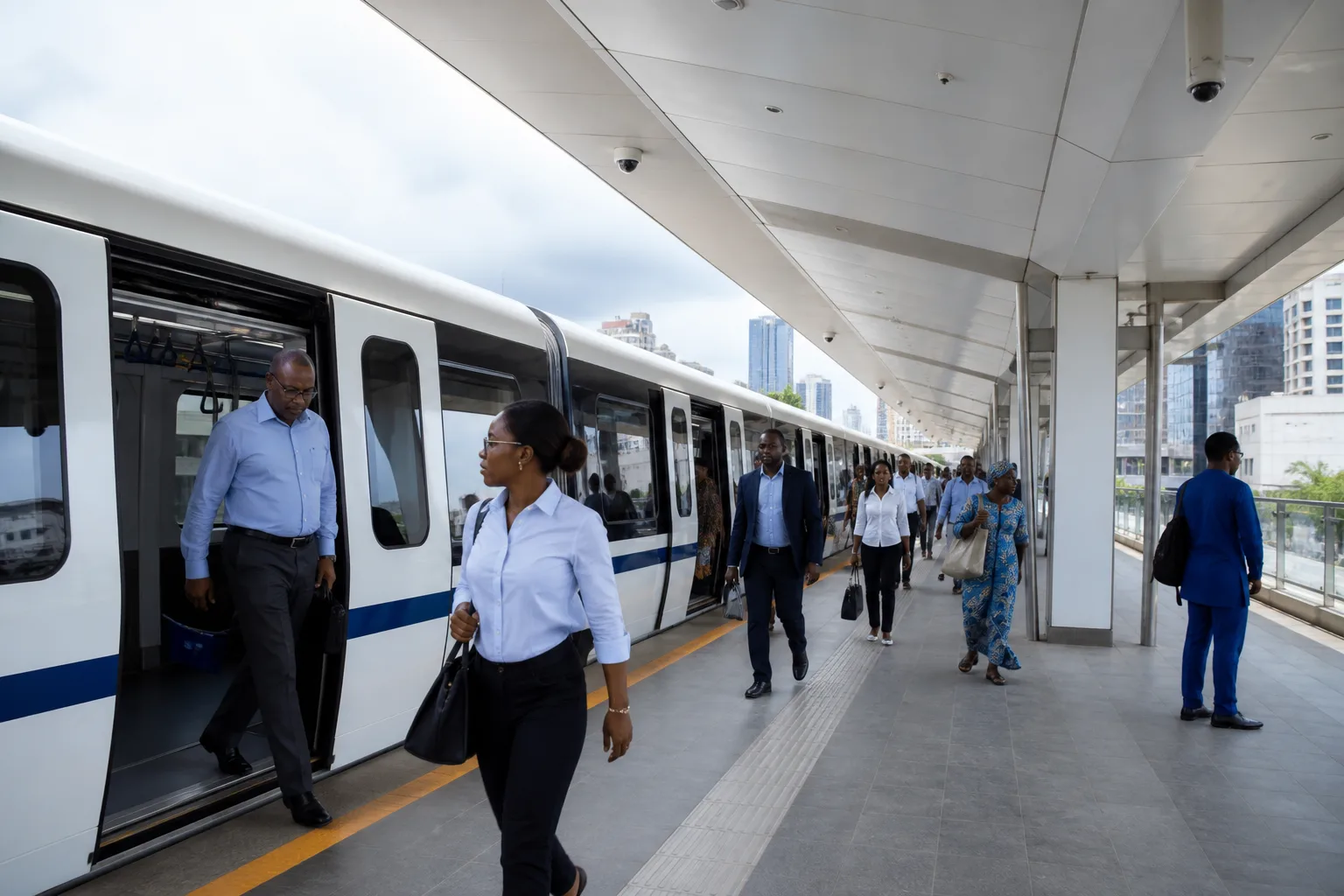
Public & Private Transport
Stations, depots and fleets deal in movement: crowds that surge with timetables, vehicles that must be tracked and secured, and public spaces where clear announcements are part of daily operations. Video analytics for crowd and traffic monitoring, zoned public address and depot perimeter protection carry the load, for public networks and private operators alike.
━━ Hospitality
Hotels, Hospitality & Luxury Resorts
In hospitality, the finest security is the kind guests never notice. Discreet surveillance, elegant entrance control and background audio that shifts seamlessly from ambience to emergency messaging protect guests without intruding on the experience. For resorts, extensive grounds and shorelines add a perimeter dimension that town-centre hotels never face.
━━ Conservation & tourism
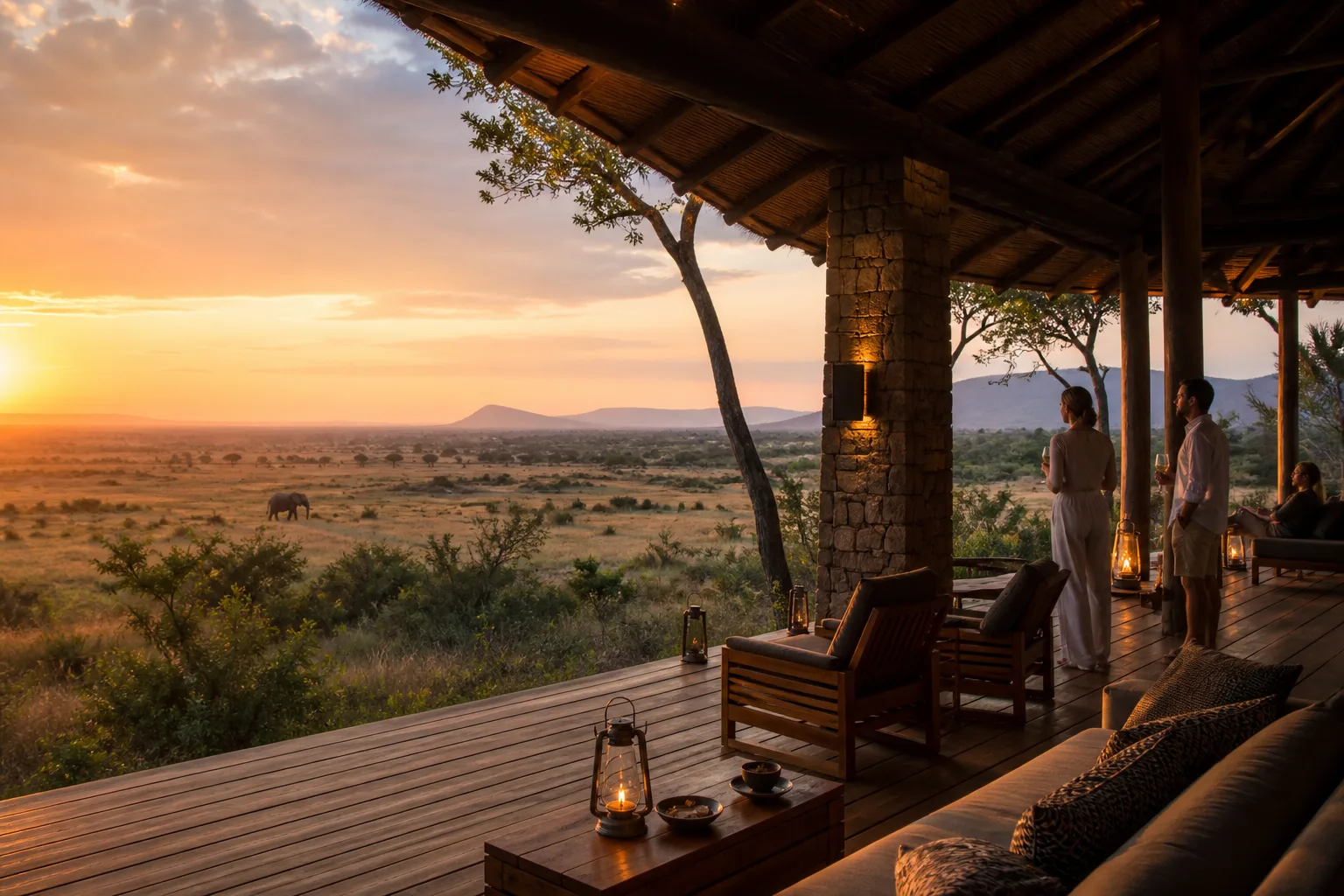
Game Reserves
Reserves protect two very different things at once: guests at remote lodges, and wildlife across boundaries that stretch for kilometres without mains power or cabling. Wireless and radio-based perimeter detection, long-range surveillance and dependable communications suit environments where infrastructure is scarce and response distances are long.
━━ Property
Commercial Properties
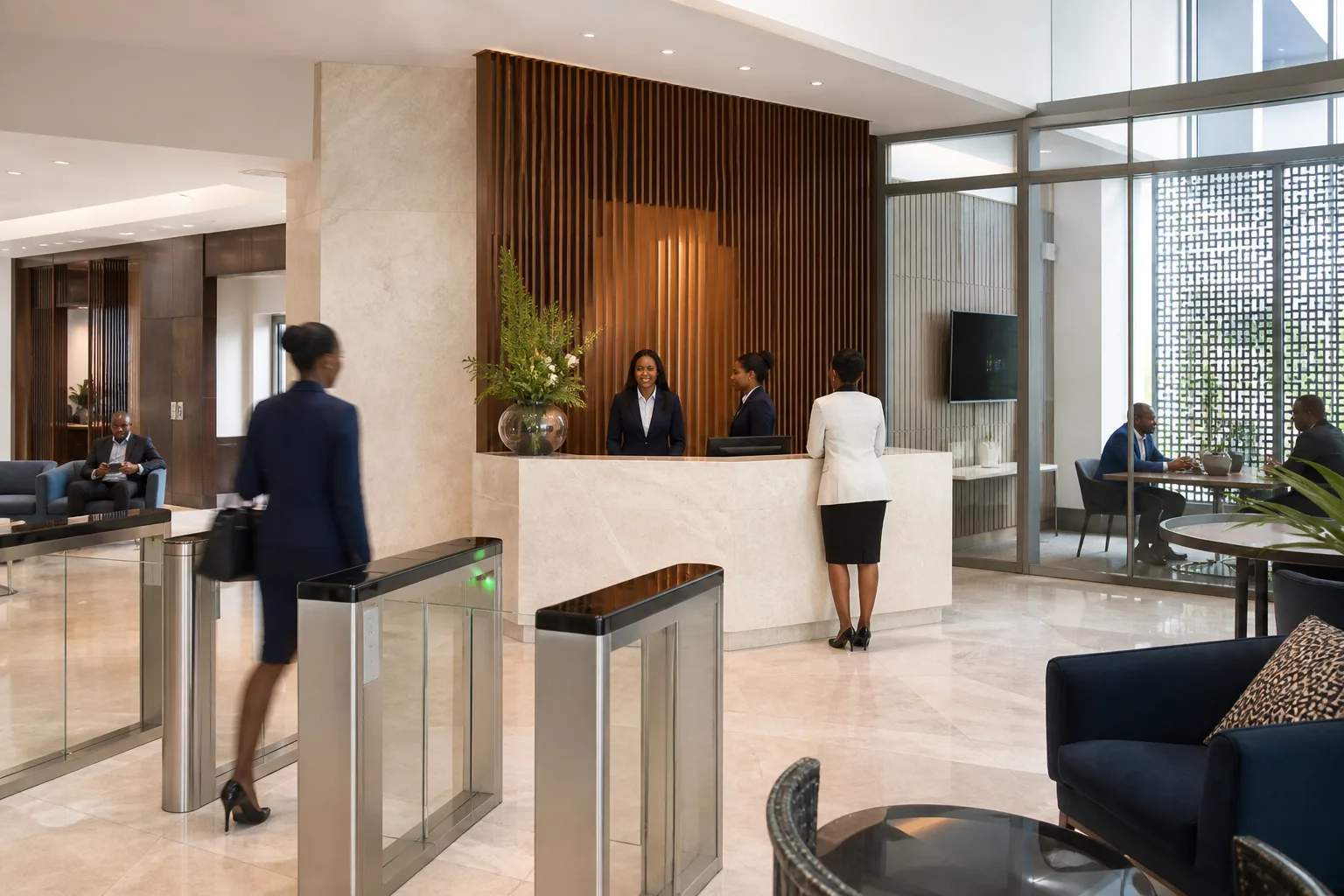
Multi-tenant buildings need security that serves many organisations through one infrastructure: speed gates and visitor management in shared lobbies, per-tenant access zones, building-wide fire detection and evacuation, and surveillance that protects common areas while respecting tenant boundaries.
━━ Industry
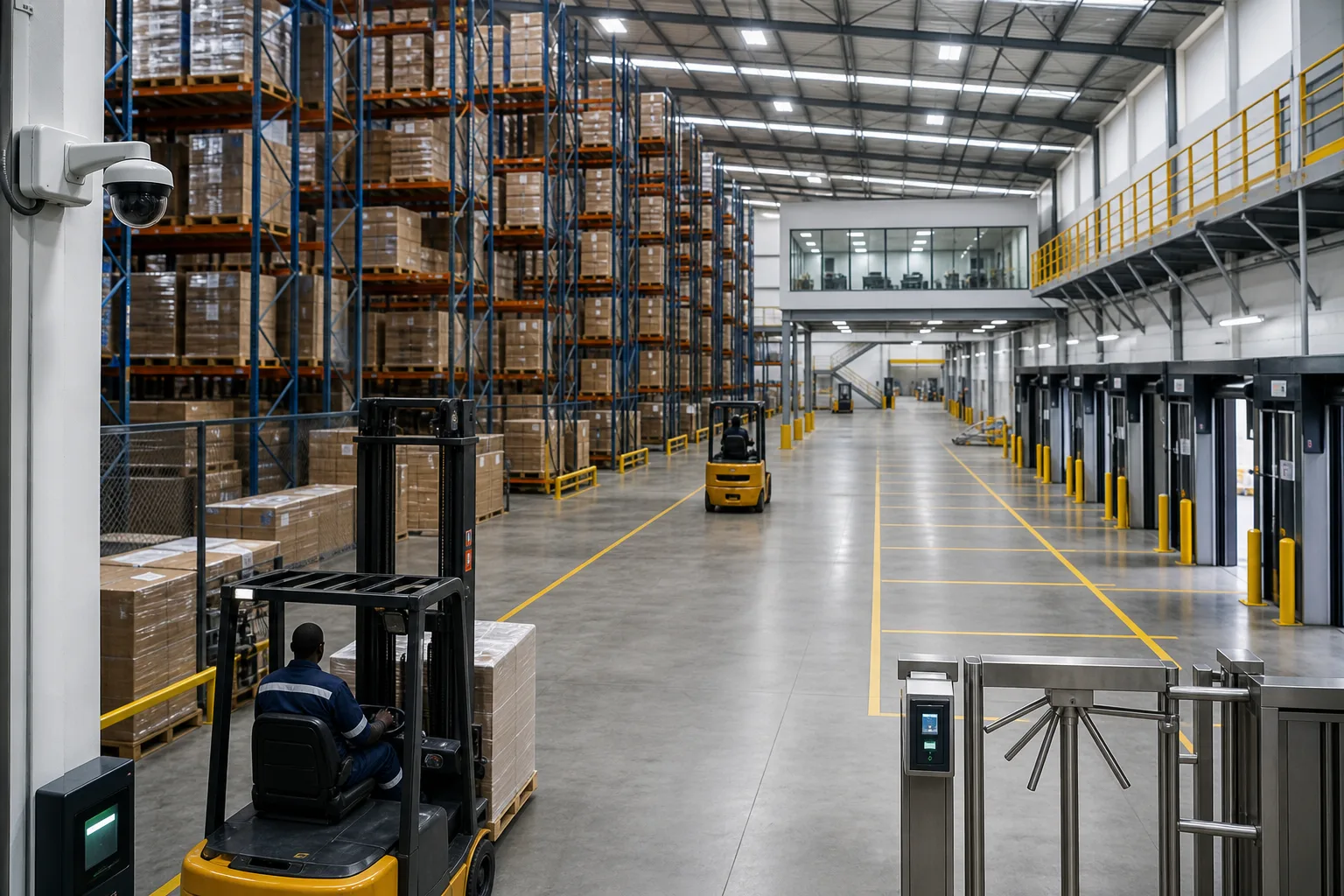
Warehouses & Industrial Sites
Here the priorities are stock, uptime and the gate. Perimeter and after-hours intrusion detection protect inventory; time and attendance rides on the same access platform that secures the site; vehicle control documents everything that enters and leaves; and detection technology is chosen to cope honestly with dust, temperature and machinery.
━━ Your environment